
BAFANG
MOTORS · LCD · BATTERY · COMPONENTS
By Thomas Rivière, Product Analyst — Last updated: 30 September 2026
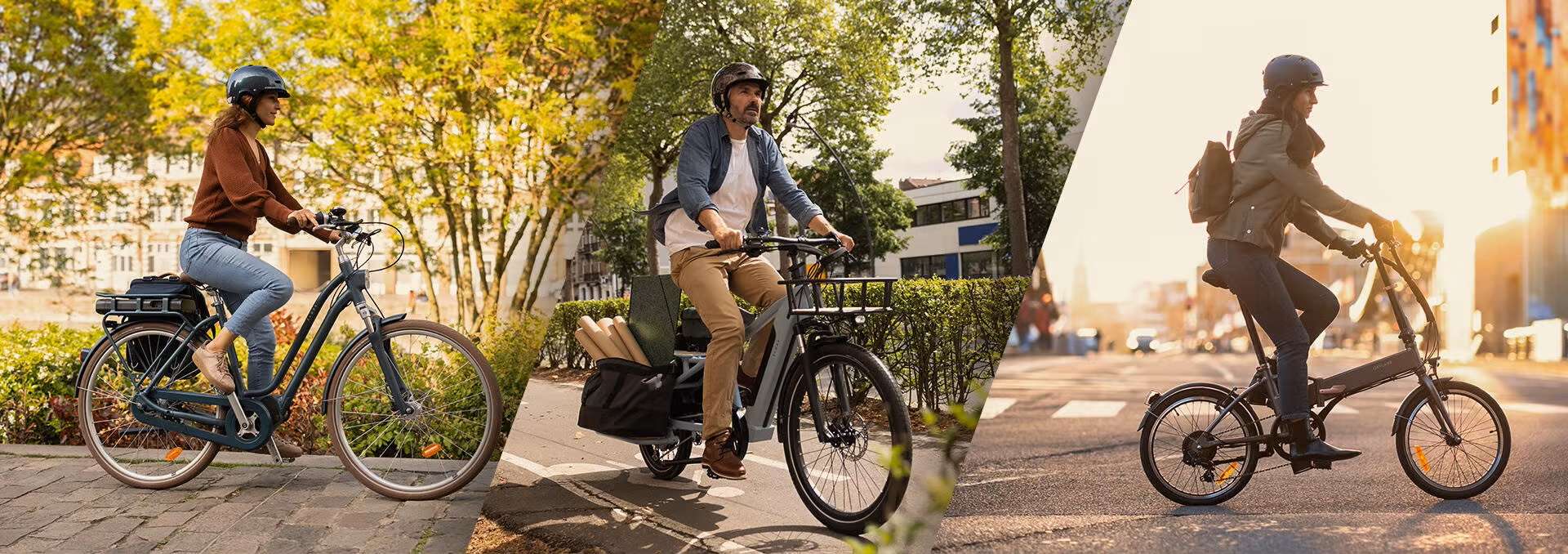
A Bafang e-bike is an electric bike sold directly with a Bafang motor built in by the manufacturer — not to be confused with a regular bike converted using a retrofit kit. This page lists electric bikes factory-equipped with a Bafang drive unit and explains what sets them apart from a DIY build.
Factory-Fitted Bafang E-Bike or Conversion Kit: What’s the Difference?
On a factory-equipped e-bike, the Bafang motor is integrated by the bike manufacturer from the design stage: internal wiring, a battery often semi-integrated into the frame, a manufacturer warranty covering the whole bike, and assist settings tuned at the factory for that specific model. No installation is required — the bike is ready to ride on delivery.
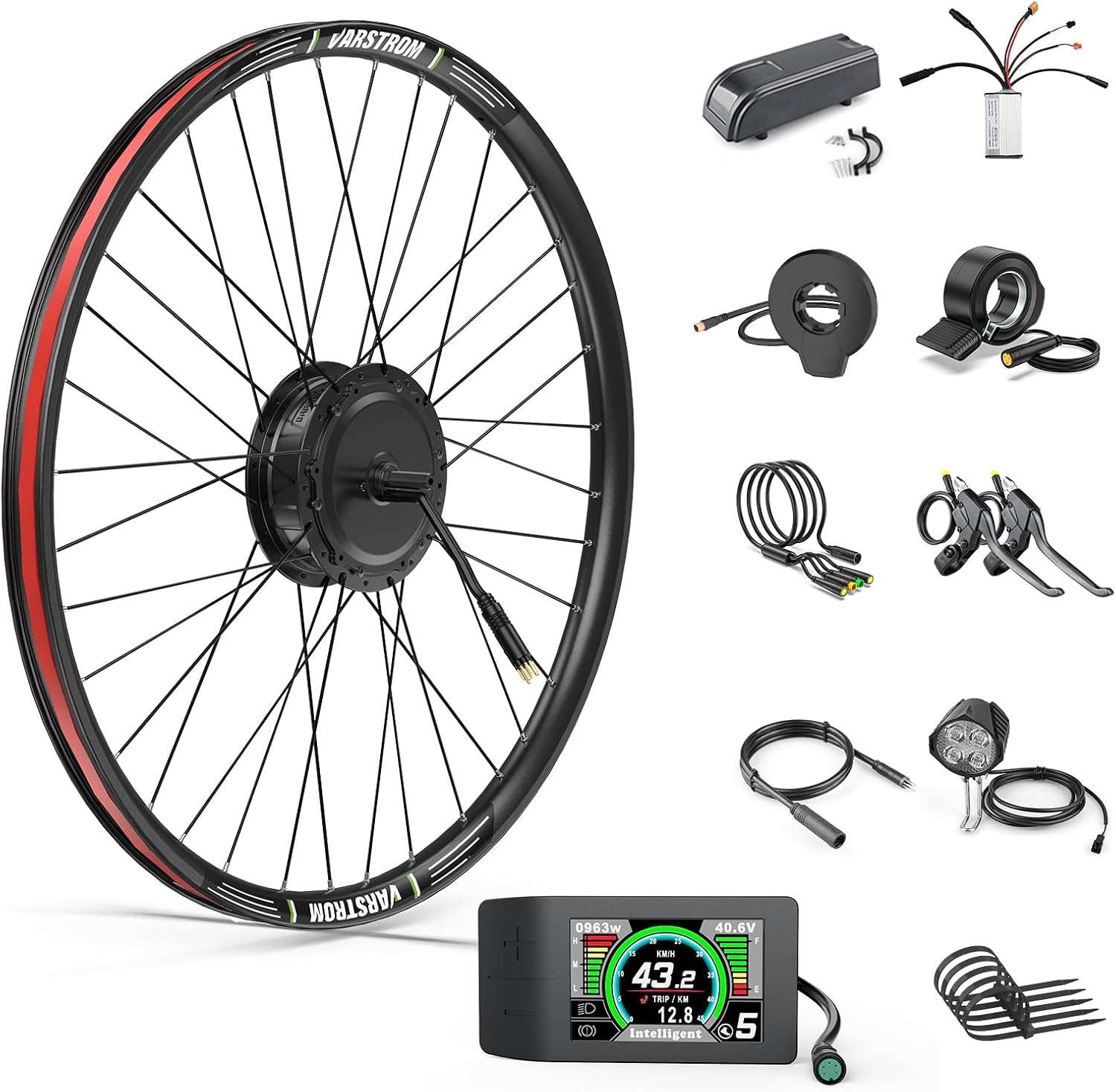
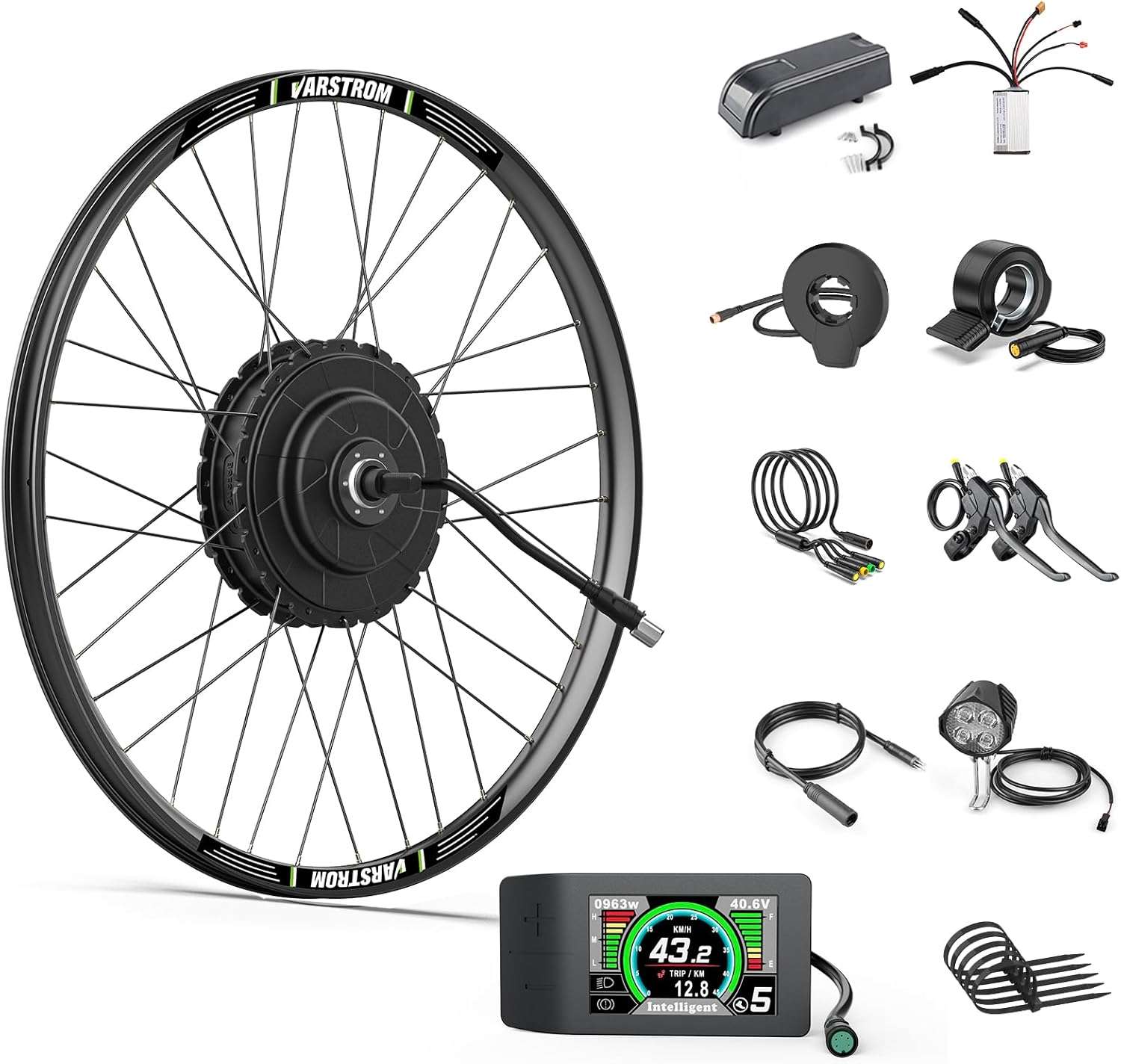
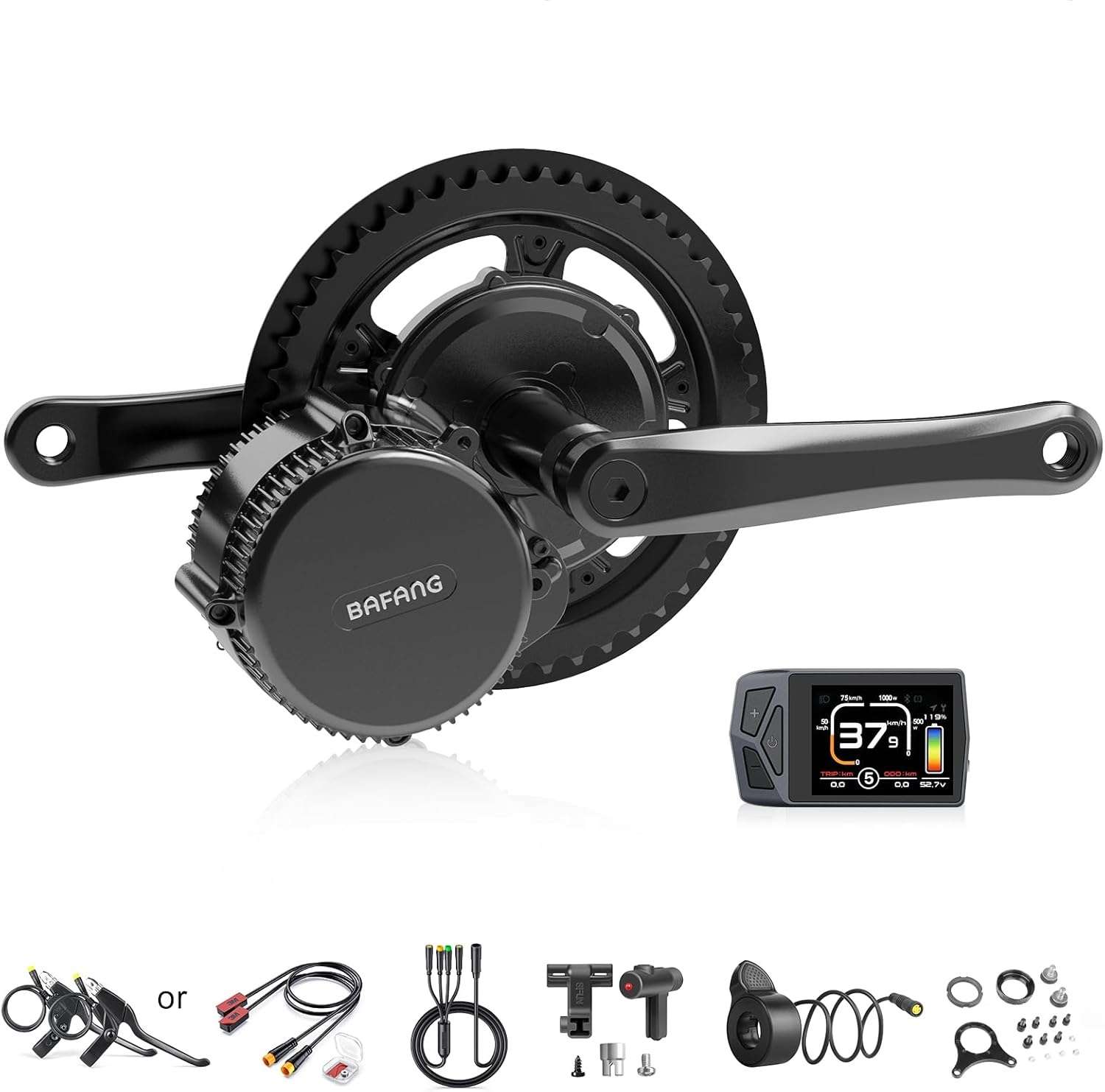
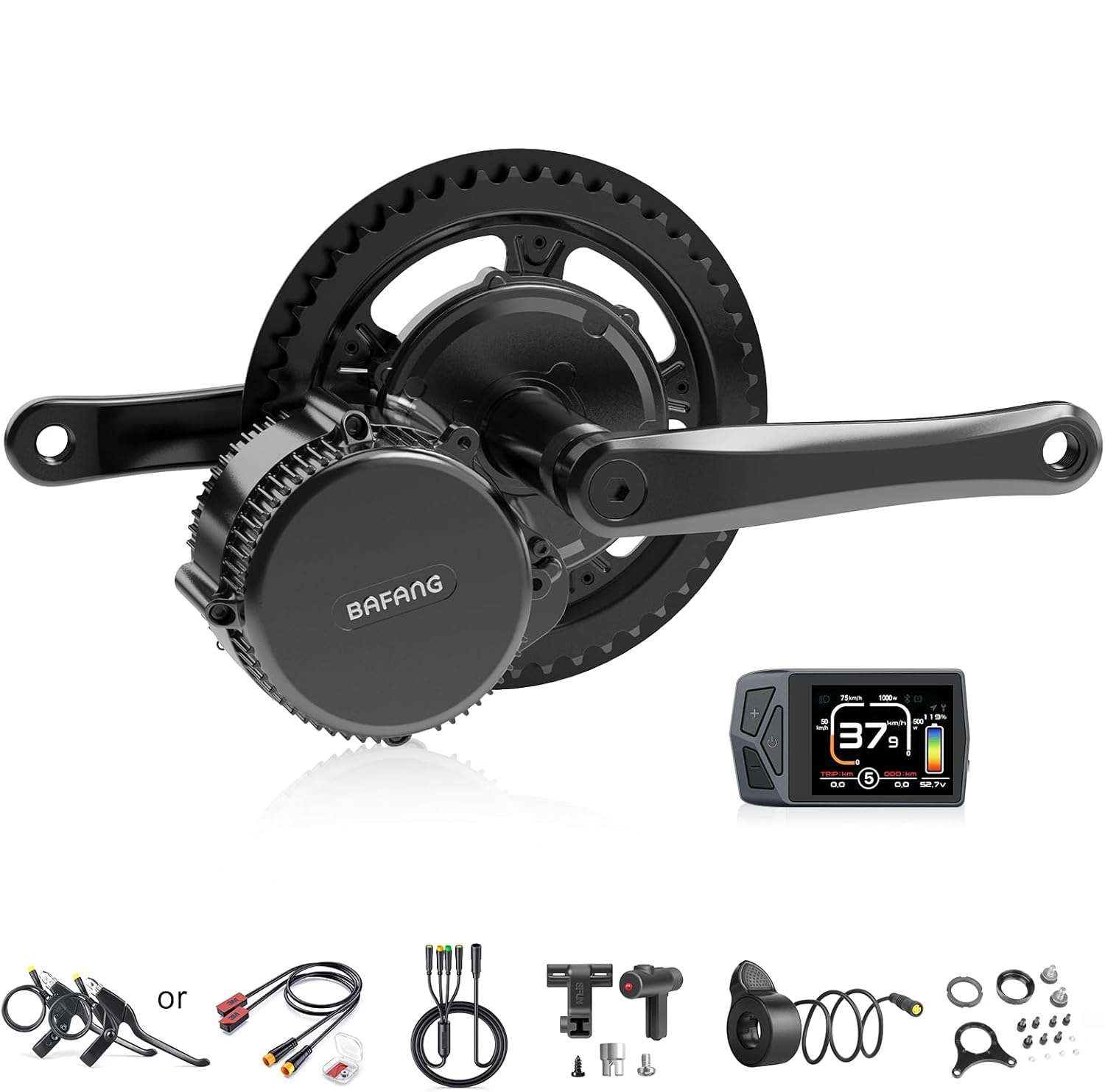
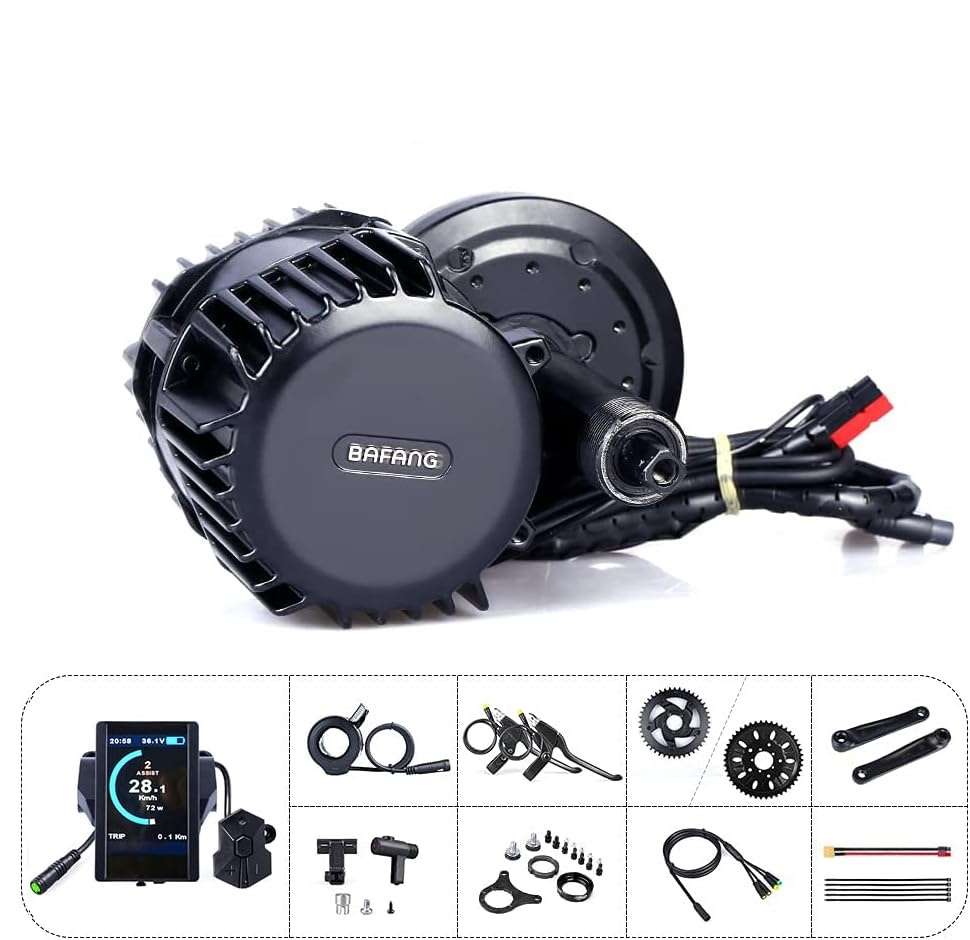
A Bafang conversion kit (BBS01, BBS02, BBSHD…) instead lets you motorize an existing bike, with more freedom on power and budget, but installation to carry out yourself or at a bike shop. If that’s what you’re after, see our Bafang motor kits guide.
Electric Bikes Factory-Equipped with a Bafang Motor
Several longtail and cargo electric bikes now come with a Bafang motor built in from the factory. Here are some representative models in this segment, with specifications as stated by their respective manufacturers:
Brumaire Nebula
Motor: Bafang central 250 W, 80 Nm — Indicative price: ~2 790 € — Range: up to ~80 km — Battery: Samsung Li-ion 36 V, 12.5 Ah (450 Wh).
Tenways Longtail DUO
Motor: Bafang M410 central 250 W, 80 Nm — Indicative price: ~3 490 € — Range: up to ~100 km — Battery: 720 Wh (LG cells).
Douze Cycles LT2 B Famille
Motor: Bafang M500 central 250 W, 95 Nm — Indicative price: ~4 200 € — Range: ~90 km depending on use — Battery: 48 V, 672 Wh.
Gaya L’Incroyable Long
Motor: Bafang central 250 W, ~80 Nm — Indicative price: ~3 600 €.
Elwing Ritmic Jumbo
Motor: Bafang RM-G062 pedal-assist 250 W, 80 Nm — Range: 120 to 160 km — Battery: 691 Wh or 921 Wh.
These models illustrate the range of factory Bafang integrations: consistent motor power (250 W, the EU regulatory limit for pedal assist), but torque, range and load capacity vary depending on intended use (family, cargo, long-distance riding).
Why Choose a Factory-Equipped Bafang E-Bike?
Factory integration offers several concrete advantages: a warranty that covers the whole bike (not just the motor), tidy aesthetic integration (battery housed within the frame on most recent models), and a dealer network already trained on the brand’s after-sales support. It’s the right choice for anyone who wants a ready-to-ride bike with no assembly step.
FAQ about Factory-Equipped Bafang E-Bikes
What’s the difference between a factory Bafang e-bike and a bike converted with a Bafang kit?
A factory-equipped e-bike leaves the factory with the motor already installed and integrated into the frame design, under an overall manufacturer warranty. A converted bike uses a kit added afterwards to an existing bike, with more choice flexibility but installation left to the owner.
What types of bikes use factory Bafang motors?
The best-represented segment is longtail and cargo electric bikes, where integrating a Bafang mid-drive motor is common among several manufacturers. Factory Bafang motors are also found on some urban and folding bikes, depending on the brand.
Is the Bafang motor on a factory e-bike the same as the one in conversion kits?
E-bike manufacturers use the same Bafang mid-drive motor family (the M-series, such as the M410 or M500) also offered as conversion kits, sometimes with model-specific firmware or housing. The underlying technology — torque sensor, chain-driven transmission — remains the same.
See also
A factory-fitted Bafang e-bike comes with warranty coverage a converted bike never gets — worth the price premium if you want manufacturer support, irrelevant if you’re comfortable maintaining a DIY build yourself.